



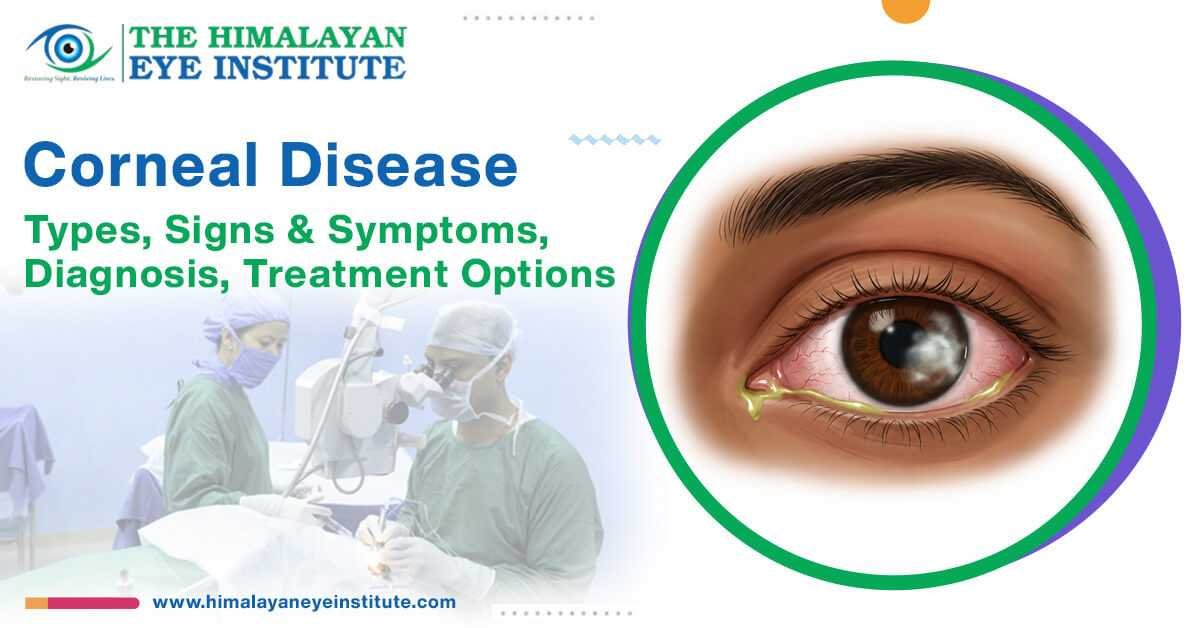

Eye health is vital, but if ignored, problems may begin to interfere with day-to-day activities. Glaucoma and cataracts are two of the most prevalent eye disorders we all know about.
Both conditions can cause visual loss, but they are very much different from one another in terms of their etiology, symptoms, diagnosis, and ways of treatment. And, this blog talks about the difference between glaucoma and cataract, treatment options, etc.
Because both conditions affect vision and are associated with aging, many people mistake glaucoma for cataracts. However, early diagnosis, prompt treatment, and avoiding irreversible visual damage depend on knowing a few factors. Have a read.
Glaucoma Overview
A collection of eye conditions known as glaucoma harms the optic nerve. This is what transmits visual data from the eye to the brain. Now, increased intraocular pressure (IOP) brought on by inadequate fluid drainage inside the eye is typically the source of this injury.
Types of Glaucoma
There are some types of glaucoma:
- Open-angle glaucoma (most common)
- Angle-closure glaucoma (medical emergency)
- Normal-tension glaucoma
- Congenital glaucoma
Because glaucoma tends to develop without obvious symptoms in the early stages, it is frequently referred to as the silent thief of sight, which can cause irreparable blindness if treatment is not received.
Cataract Overview
When the eye's natural lens gets clouded, a cataract develops, resulting in dim or blurry vision. The lens ordinarily helps you focus light onto the retina, but when proteins in the lens break down and clump together, your vision becomes blurred.
Unlike glaucoma, cataracts usually grow gradually with age and are unrelated to nerve damage or eye pressure. Timely diagnosis and treatment are essential, and you might receive effective cataract surgery in Siliguri at the trusted eye hospitals.
While cataracts cause transient vision impairment that can be corrected, glaucoma permanently affects vision if left untreated.
Cataract vs Glaucoma Symptoms
Glaucoma symptoms:
- Peripheral (side) vision loss over time
- Advanced phases of tunnel vision
- Pain in the eyes (acute angle-closure glaucoma)
- Eye redness
- Halos surrounding lights
- Headache or nausea (in difficult situations)
Since early glaucoma, most of the time, shows no symptoms, routine eye exams are crucial.
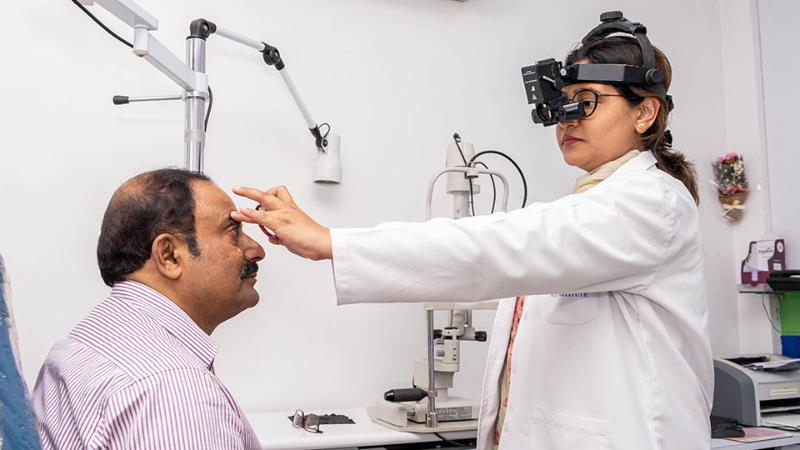
Cataract symptoms:
- Blurred or foggy vision
- Yellowed or faded hues
- Difficulty seeing at night
- Light and glare sensitivity
- One eye with double vision
- Regular adjustments to the prescription for glasses
Cataract symptoms are more obvious and develop more slowly than those of glaucoma.
Understanding the Causes of Cataracts and Glaucoma
Glaucoma Causes:
- Elevated intraocular pressure
- Glaucoma in the family history
- Getting Older
- Diabetes
- Long-term usage of steroids
- Eye injuries
Poor blood circulation to the optic nerve
Causes of Cataract:
- The main reason is aging
- Overexposure to UV light
- Alcohol consumption and smoking
- Diabetes
- Surgery or eye trauma
- Long-term usage of steroids
Let’s Explore the Difference Between Glaucoma and Cataract
To make it easier for you to understand the distinction between glaucoma and cataract, the following is a concise point-by-point comparison:
Glaucoma Cataracts
| Definition | Damage to the optic nerve, mainly owing to excessive eye pressure. | A clouding of the normal lens of the eye. |
| Affected Area of the Eye | Optic nerve glaucoma | The eye's lens |
|
Character of Loss of Vision
|
Initial loss of peripheral (side) vision | Clouded or blurry eyesight in the center |
| Reversibility | Permanent loss of vision | Surgery can restore vision |
|
Rate of Development
|
Slow and frequently unnoticed | Progressive but observable |
|
Discomfort or Pain
|
Pain may result from glaucoma, particularly after angle closure. | Usually not painful |
|
Early Symptoms
|
Frequently none |
Blurry vision, glare, poor hues
|
|
Treatment Approach
|
Eye drops, medicine, laser, or surgery | Replacement of the lens surgically |
| Prevention | Early detection and routine eye exams | UV protection and a healthy lifestyle |
Which Is More Dangerous: Glaucoma or Cataract?
In general, glaucoma is seen to be more harmful than cataracts – here’s why:
The Reasons Glaucoma Is Dangerous
- Glaucoma causes irreversible vision loss
- Often identified too late, owing to the absence of early glaucoma signs and symptoms
- Requires ongoing care and observation
- Can result in irreversible blindness if left untreated
Why Cataracts Are Not as Dangerous
- Vision loss caused by cataracts is completely reversible
- Cataract surgery is rapid, safe, and very successful
- Doesn't harm the optic nerve
In summary, cataract is easier to treat with prompt surgery under medical supervision, whereas glaucoma has a higher long-term risk.
Treatment Options for Cataracts and Glaucoma
Glaucoma treatment focuses on reducing eye pressure to prevent future optic nerve damage. While existing visual loss cannot be reversed, eye specialists or ophthalmologists can slow down or prevent the progression. Glaucoma treatment in Siliguri or elsewhere in India is patient-centric.
Glaucoma and cataract diagnosis
Diagnosis is a vital part of treatment, whether it’s eye treatment.
Diagnosing Glaucoma:
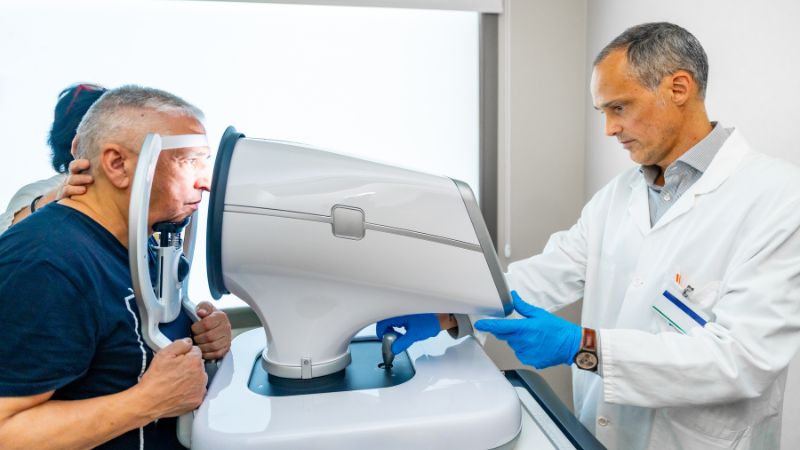
- Tonometry, or the measurement of eye pressure
- Examination of the optic nerve
- Visual field test
- OCT, or optical coherence tomography
Cataract Diagnosis:
- Test of visual acuity
- Slit-lamp analysis
- Retinal exam
- Test for contrast sensitivity
Particularly for those over 40, routine eye exams are crucial, so that you receive timely care and the risk of eye issues is low.
Glaucoma Treatment Options
Medicines (Eye Drops)
- Lower the levels of fluid in the eye
- Boost the outflow of fluid
- Require daily, lifetime use
Laser Therapy
- Laser trabeculoplasty for glaucoma with an open angle
- Laser iridotomy (angle-closure glaucoma)
Surgical Care
- Trabeculectomy
- Glaucoma drainage implants
- MIGS, or minimally invasive glaucoma surgery
However, if vision loss occurs, treatment might not restore vision in glaucoma.
Also Read:-
Is Surgery Necessary for Glaucoma? – Understanding the Diagnosis and Treatment
Treatment Options for Cataract
Surgery is the only effective treatment for cataracts.
Surgery for Cataracts
- Removed the cloudy lens
- Implanted artificial intraocular lens (IOL)
- An outpatient, painless procedure
Vision improves within days
Also Read:-
Cataract Surgery: Recovery and How It Works
Watch this expert video on how surgical complications in cataract surgery are identified and managed by ophthalmologists.
IOL types:
- Monofocal
- Multifocal
- Toric
- Lenses with extended depth of focus
Cataract surgery has a success rate above 95%.
Can Cataract and Glaucoma Occur Together?
Yes, a person can have both glaucoma and cataract at the same time, especially elderly people who are at risk.
In these situations:
- Glaucoma treatment is a top priority for doctors
- Surgery for both cataracts and glaucoma may be advised
Eye treatment now completely focuses onthe patient’s health (according to vision loss and ocular pressure).
Preventive Advice for Your Eye Health
- Examine your eyes every one to two years
- Put on UV-blocking sunglasses
- Regulate blood pressure and diabetes
- Keep from smoking
- Wise to quit alcohol
- Manage stress
- Follow prescribed eye drop schedules
- Keep up a nutritious diet high in antioxidants
FAQs
1) Can glaucoma result from cataracts?
It can, secondary glaucoma can be brought on by extensive cataracts that raise intraocular pressure.
2) Is there a natural remedy for glaucoma?
No. Glaucoma has no natural remedy, and medical care is crucial.
3) Can people with glaucoma safely undergo cataract surgery?

