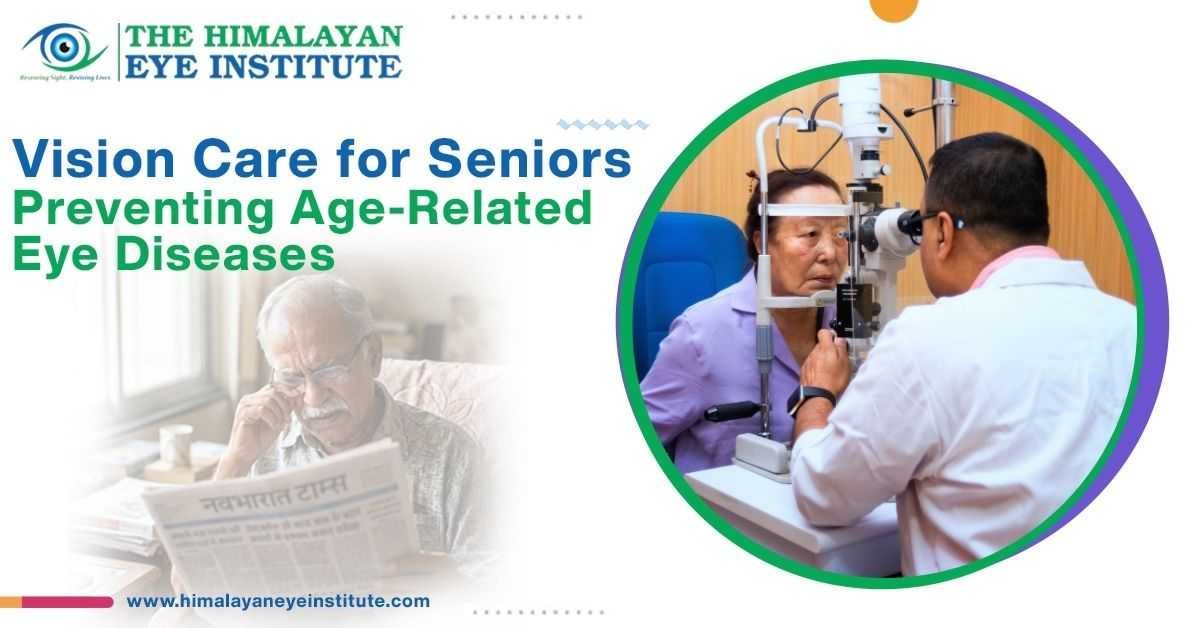

As we age our eyes change. One of the common symptoms noticed by many seniors is blurring vision. Some individuals have trouble reading fine print. These are typical changes. However, they must not be overlooked. It's not just important, Vision Care for Seniors is essential. It is vital to leading a happy and independent life.
We at Himalayan Eye Institute know how these challenges can be overcome. We get seniors' vision back. We help them to safeguard their eyes for years and years to come.
Why Vision Care for Seniors Matters?
Good eyesight has an impact on all things. It impacts the way we use our legs. It can impact our reading ability. It is a thing that impacts the recognition of loved ones. If left untreated, some issues can become serious if you neglect your Vision Care for Seniors.
There are many eye conditions that take a long time to develop. They may be without any early signs. So proactive care is of prime importance. Excessive delay may cause permanent vision loss.
Common Age-Related Eye Diseases
There is a higher chance of developing some eye diseases as we age. Some of the most common Age-related eye diseases include:
Cataracts: The crystalline lens inside the eye becomes cloudy due to aging. Vision is cloudy or blurred. Colors may be faded. Cataracts are extremely frequent at the age of 60.
Glaucoma: Damaged optic nerve. It's frequently due to increased pressure within the eye. Typically, it does not result in any early symptoms and is therefore dangerous. It may result in permanent blindness if not treated.
Diabetic retinopathy: When blood sugar levels are high, it causes damage to the blood vessels in the retina. Diabetics are prone to this condition, particularly elderly people. It may produce hazy vision and in extreme cases blindness.
Macular degeneration: A condition that is a disease of the macula, the central area of the eye that controls the sharp, central vision. Can be difficult to read, drive, and identify faces. It is a major cause of vision loss in the older population.
Dry eye syndrome: As the age goes up, so do the tears. This causes irritation and redness and gives eyes a gritty sensation. Although it's not as serious as other conditions, it still has an impact on the comfort of everyday life.
Every condition is different in the way it impacts vision. People with cataracts have cloudy vision. Glaucoma causes damage to the optic nerve. Macular degeneration involves the central vision. Dry eye is an uncomfortable condition that results in irritation.
These conditions can take away independence if left untreated. They can make simple tasks difficult. That is why it is crucial to detect it early.
Signs You Should Never Ignore
Seniors should watch for warning signs. These signs often appear gradually. They are easy to dismiss as "just aging."
Watch for these symptoms:
- Blurry or cloudy vision
- Difficulty seeing at night
- Sensitivity to light
- Frequent headaches
- Trouble recognizing faces
- Seeing halos around lights
If you notice any of these signs, act quickly. Do not wait for vision to worsen. Early action protects your eyesight.
The Power of Regular Eye Examinations
Awareness is the first step to prevention. Regular eye exams detect issues before they are serious. Many eye diseases may not show any symptoms during the early stages of the disease. They can be detected early with a simple eye exam.
It is important for seniors to have an eye exam at least once a year. Persons may require more visits if they have diabetes or high blood pressure. Doctors can monitor changes over time by having regular check-ups.
Sometimes the treatment is easier if detected early. It can also be used to stop permanent vision loss. This is one of the most effective Senior eye care resources available – routine exams.
Simple Tips for Eye Health for Older Adults
Long-term vision is assisted by good habits. Preventing eye problems in older people is easy:
- Include leafy greens and brightly-colored vegetables.
- Wear sunglasses outdoors
- Control blood sugar and blood pressure levels
- Avoid smoking
- Turn off screens for a while
- Stay physically active
- Get enough sleep
These habits are easy to follow. However, they have a great impact over time. There are a number of simple lifestyle changes that can preserve vision for years.
Why You Need an Eye Specialist
Not all eye problems are the same. Others are more amenable to simple treatment. Others require special care. This is why it is important to have an eye specialist check you out.
A specialist is knowledgeable in the special needs of the elderly. They can make a correct diagnosis. They can also suggest the correct therapy for them. While general check-ups are useful, specialist care can help to ensure everything is taken care of.
Our experts at Himalayan Eye Institute specialize in Vision Care for Seniors. Employing state-of-the-art equipment to identify issues at an early stage. Each patient receives personalized treatment plans.
Preventing Vision Loss Starts Today
It's never too late to safeguard your eyes. It's easier to prevent vision loss than to treat it after it occurs. Often symptoms do not appear until after damage is done.
There are simple things you can do that can make a difference. Examining regularly, healthy habits and quick action when warning signs occur all help. Vision Care for Seniors should be a priority, not an afterthought.
Effective Eye Treatment Options
There are many solutions for modern medicine. There have been significant advances in eye treatments over the years. Seniors don't have to put up with vision loss as an inevitable part of getting older. With the proper treatment most conditions can be managed, slowed or even reversed.
Cataract surgery: This surgery is now rapid, safe and highly effective. The cloudy lens is taken out and replaced with an artificial clear lens. Patients will see clearer in days. The recovery period is brief and surgery is done on an outpatient basis.
Glaucoma management: These medications can reduce the pressure in the eyes. Laser treatment or surgery is suggested in more severe cases. Doctors can adjust treatment if necessary by making regular checks. The aim is the preservation of the optic nerve and any remaining vision.
Treatment of diabetic retinopathy: Laser treatment can close ruptured blood vessels in the retina. Steroids can also be injected to help decrease swelling. It's important to manage blood sugar as part of treatment. Early intervention can help prevent a lot of vision loss.
Macular degeneration treatment: There are special injections that can help slow the progression of macular degeneration. Nutritional supplements can also help maintain eye health. Low vision aids can assist patients to maximize their vision.
Dry eye treatment: Artificial tears drops or minor procedures can help to make eye tissues comfortable. Sometimes lifestyle changes offer relief, too.
The Emotional Side of Vision Loss
Vision loss affects more than just eyesight. It affects confidence. It affects independence. It can lead to isolation and frustration.
Seniors with poor vision may stop driving. They may stop reading. They may withdraw from social activities. This is why Vision Care for Seniors is about more than physical health. It is about quality of life.
Protecting eyesight means protecting dignity. It means allowing seniors to enjoy life fully.
Why Choose Himalayan Eye Institute
We specialize in senior eye care. We are aware of the difficulties that older people encounter. Complete vision care for seniors is available all in one place.
Our services include:
- Comprehensive eye exams
- Screening and surgery for cataract.
- Glaucoma management
- Diabetic eye care
- Personalized treatment plans
All patients are treated according to their needs.
Frequently Asked Questions (FAQs)
How often should seniors get an eye exam?
Seniors should have an eye exam at least once a year. Those with diabetes or existing eye conditions may need more frequent visits.
Can age-related eye diseases be prevented?
Some risk factors cannot be changed. But healthy habits and early detection greatly reduce your risk.
Is cataract surgery safe for older adults?
Yes. Cataract surgery is one of the safest and most common procedures performed today. It has a high success rate.
What is the first sign of vision loss in seniors?
Blurry vision is often the first sign. Difficulty seeing at night is another common early symptom.
Take Action Today
It's time to pay some attention to your vision. Don't put it off until later. Vision Care for Seniors can keep you independent and living life the way you want to.
Come visit Himalayan Eye Institute today! Make an appointment for an eye exam today. Our expert team will help you to see the world in a different light, at any age.
Book your appointment now, and start the process to healthier eyes.